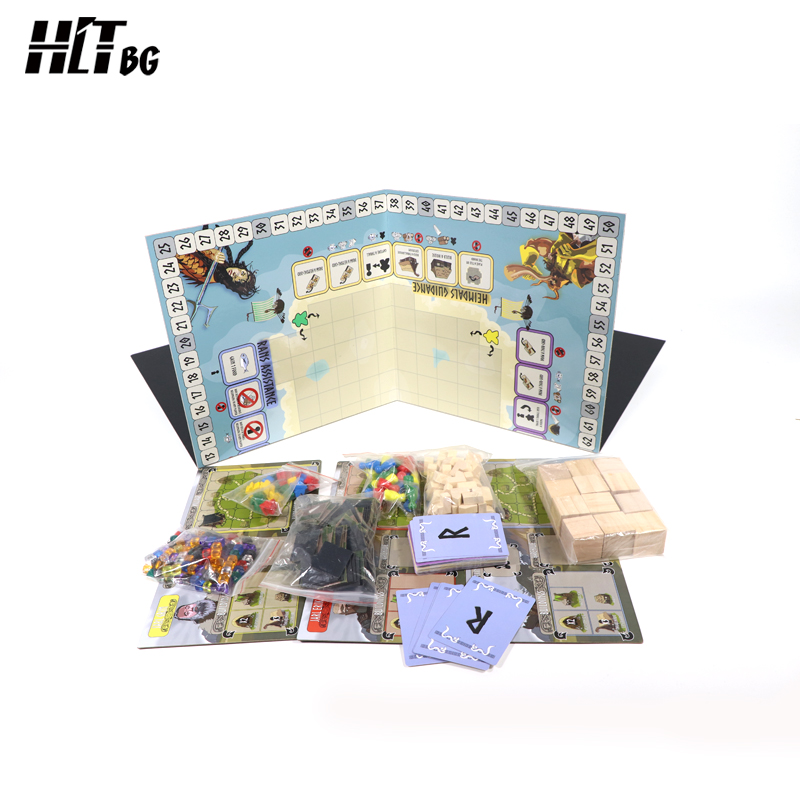
Understanding Life Strategies From Board Games


Board Games
The origin of playing board games can be traced back to ancient civilizations, where they were played for both entertainment and education. Many of the games played then are still popular today, such as chess and backgammon.
In the 19th century, board games became more popular in Europe and America as industrialization led to more leisure time and the mass production of games. Monopoly and Scrabble are examples of board games that were invented during this time.
In the 20th century, board games continued to evolve and became a widespread pastime for families and friends. Popular games such as Risk, Settlers of Catan, and Pandemic were created during this time.
The origin of playing board games can be traced back to ancient civilizations, where they were played for both entertainment and education. Many of the games played then are still popular today, such as chess and backgammon.
In the 19th century, board games became more popular in Europe and America as industrialization led to more leisure time and the mass production of games. Monopoly and Scrabble are examples of board games that were invented during this time.
In the 20th century, board games continued to evolve and became a widespread pastime for families and friends. Popular games such as Risk, Settlers of Catan, and Pandemic were created during this time.
How To Play
1. Read the rules carefully: Before playing a game, it's important to read the rules thoroughly. Make sure you understand the objectives of the game, how to move pieces, and any special rules or conditions.
2. Understand the mechanics: Each game has its own mechanics and rules, and understanding them is important for developing a winning strategy. Take the time to figure out how the game works, and think about how you can use these mechanics to your advantage.
3. Develop a strategy: Once you understand the mechanics, it's time to develop a strategy. Think about your goals, and figure out the best way to achieve them. Consider the strengths and weaknesses of the players and the game itself, and use this information to your advantage.
4. Pay attention to timing: Timing is crucial in board games. Knowing when to make a move, when to hold back, and when to strike can make all the difference. Keep track of your opponents' moves, and try to anticipate their actions.
5. Don't be afraid to take risks: Sometimes taking risks can lead to big rewards. Don't always play it safe; be willing to take chances and try new strategies. However, be careful not to take unnecessary risks that could backfire.
6. Stay focused: Board games can be long and require a lot of concentration. It's important to stay focused throughout the game and avoid distractions. Don't let your attention wander, and stay alert for any opportunities to make a move.
7. Be a good sport: Remember, board games are meant to be fun. If you lose, don't get upset or angry. Congratulate the winner and learn from your mistakes. Being a good sport will make you a better player and make the game more enjoyable for everyone.
By following these tips, you can improve your skills and strategy in board games. Whether you're playing for fun or competing in a tournament, these techniques can help you become a master of the game.
Benefit And Pleasure
Playing board games is not only fun and entertaining, but it also has numerous benefits. Board games offer an excellent opportunity to spend quality time with friends and family, while developing social skills, cognitive skills, and strategic thinking abilities.
First of all, board games are a great way to bond with others. It can be played with a group of friends or family members, creating a sense of community and connectedness. Playing board games can also strengthen relationships by encouraging communication, cooperation, and healthy competition among players.
In addition, board games can also improve cognitive skills, such as problem-solving, critical thinking, and decision-making. Many board games require players to make complex decisions based on the available information, making it an effective way to develop these skills.
Board games also help to stimulate creativity and imagination. Many board games involve storytelling, roleplaying, and problem-solving, which can encourage players to think outside the box and explore new ideas.
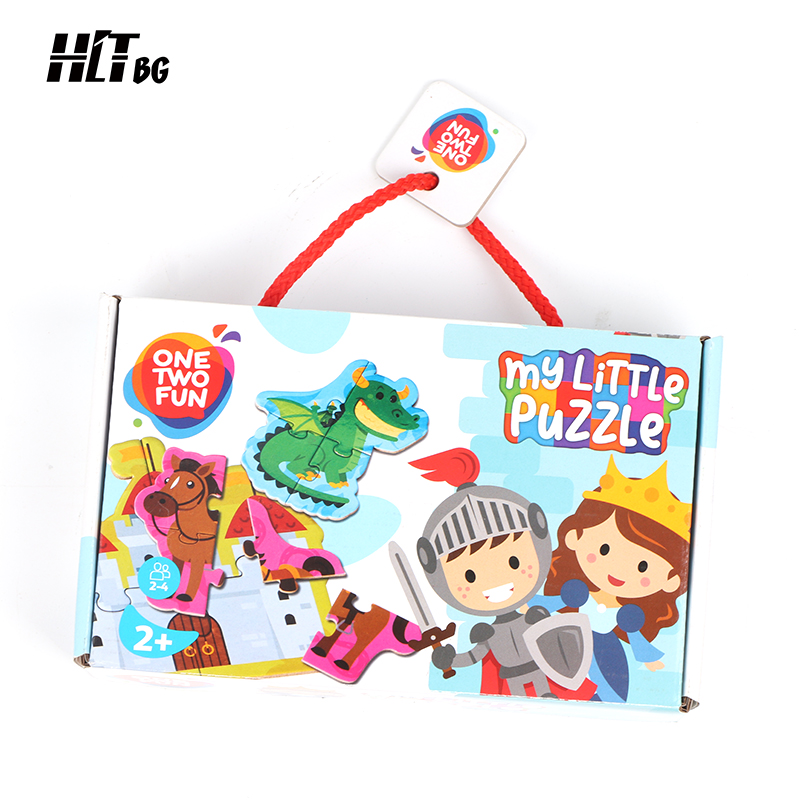

Game Life, Wise Men First :Explaining the philosophical approach to board games
How to Manufacture a Card Game: The Ultimate Guide to Design, Packaging, and Production